
Protected Areas Trust Marks 12 Years of Financing Guyana’s Conservation Efforts
The Protected Areas Trust (PAT) is commemorating its 12th anniversary, marking more than a decade of supporting the sustainable financing and effective management of Guyana’s protected areas.
Established in 2014 under the Protected Areas Act, PAT provides a sustainable financing mechanism to support the long-term management and sustainability of Guyana’s National Protected Areas System. Through its work, the Trust helps mobilise and manage financial resources to support conservation, biodiversity protection, research, management and community initiatives within Guyana’s protected areas.
Over the past 12 years, PAT has grown alongside Guyana’s protected areas system, contributing to efforts to strengthen the resources and partnerships needed to conserve some of the country’s most important natural spaces.
Protected areas play a vital role in safeguarding Guyana’s biodiversity, ecosystems and natural resources, while also supporting communities and creating opportunities for sustainable development.
As Guyana’s protected areas system continues to evolve, the need for sustainable and reliable conservation financing remains critical. PAT’s work forms part of Guyana’s wider commitment to environmental conservation and sustainable development, including through the Low Carbon Development Strategy (LCDS) 2030 and the Global Biodiversity Alliance.
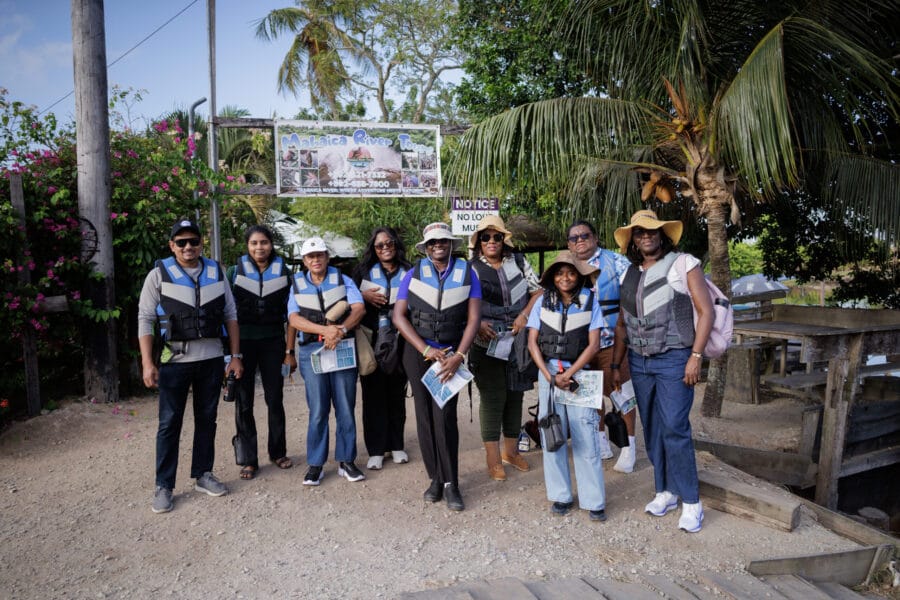
As part of its 12th anniversary observances, PAT hosted its first Staff and Board Retreat on the Mahaica River. The day brought together Trustees and Secretariat staff for reflection, strategic dialogue, and shared learning. From early‑morning departure to riverside discussions, wellness activities, and collaborative planning, the retreat strengthened our collective commitment to advancing conservation financing and protected areas management in Guyana.
The Mahaica River offered the perfect backdrop for reconnecting with nature, deepening partnerships, and charting the next phase of PAT’s institutional growth.
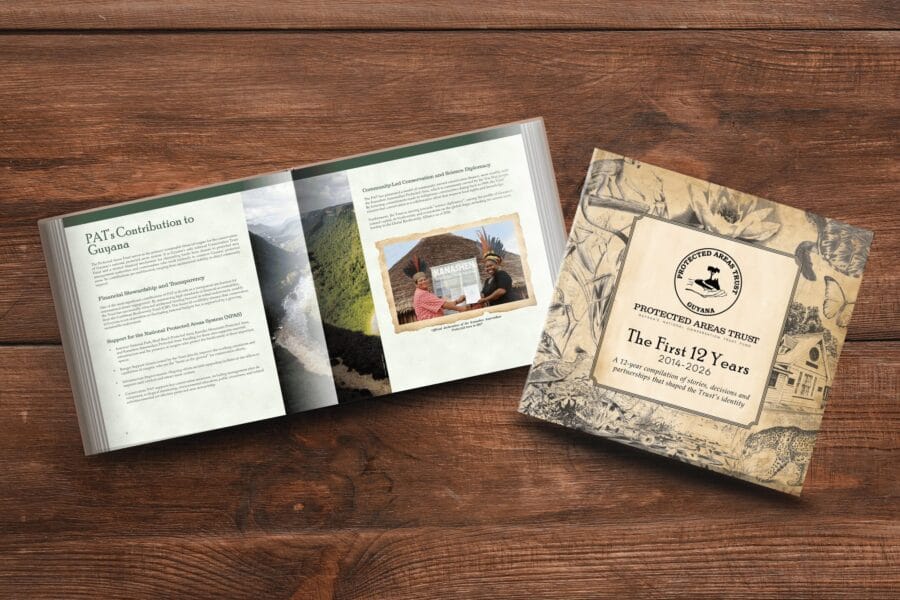
To commemorate the significant milestone, PAT has also produced its first publication, “Protected Areas Trust: The First 12 Years” a history book documenting the Trust’s journey since its establishment. The publication captures key milestones, partnerships, and contributions that have shaped PAT over the past twelve years, while recognising the people who have helped build the institution.
Commenting on the milestone, Mr. Shyam Nokta, Chair of the PAT Board of Trustees, noted the anniversary provides an opportunity to recognise the progress made while reaffirming the importance of continued investment in conservation.
“While 12 years gives us an opportunity to reflect on how far we have come, it also reminds us that conservation is an ongoing responsibility. As Guyana’s protected areas system continues to evolve, so too must our commitment to securing the resources and partnerships needed to sustain it.”
PAT acknowledges the dedication of its Board, Executive Director, donors and staff, past and present, as well as its partners and stakeholders, whose collective efforts have contributed to the Trust’s development and its role in supporting Guyana’s protected areas.
As PAT enters the next chapter, the Trust remains committed to strengthening the financial foundation for effective protected areas management and supporting the continued conservation of Guyana’s natural heritage.
About the Protected Areas Trust
The Protected Areas Trust (PAT) was established in 2014 as a sustainable financing mechanism for Guyana’s National Protected Areas System. The Trust supports the long-term financing and effective management of protected areas through the funding of conservation, biodiversity protection, research, environmental education, and community initiatives.